As communities grow and weather patterns become more unpredictable, managing stormwater has never been more important. One of the most effective—and often overlooked—tools in modern water management are stormwater detention basins. These systems not only help prevent flooding but also contribute to environmental health, making them especially relevant to reflect on during Earth Day.
What is a Stormwater Detention Basin?
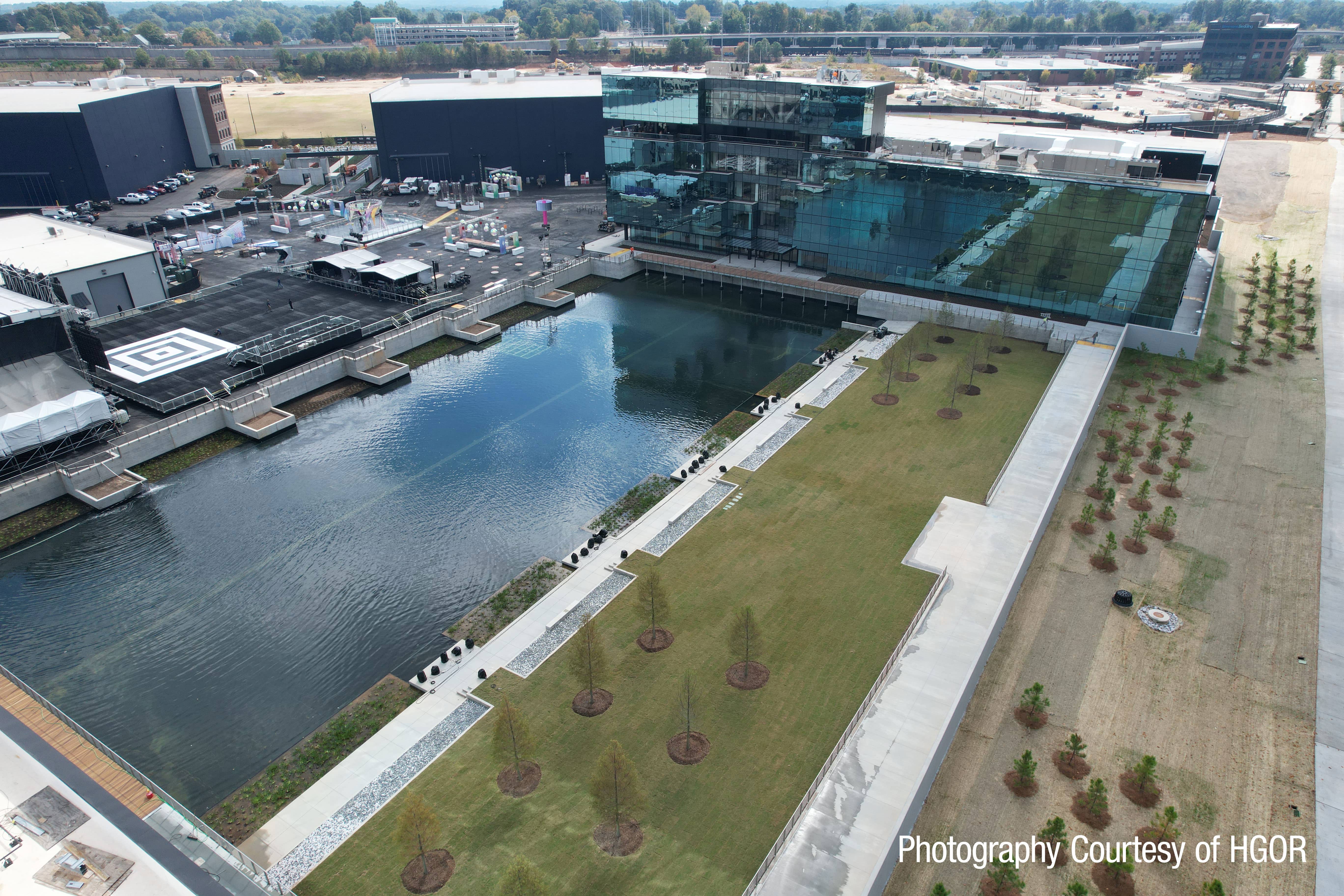
A stormwater detention basin is a carefully engineered, shallow depression designed to temporarily hold excess rainwater during storms. Instead of allowing runoff to rush into streets, storm drains, and waterways all at once, the basin collects and stores it.
The land surrounding the basin is graded to direct water into this low point. Once the storm passes, the water is slowly released through a small outlet, often called an orifice, which connects to an underground drainage system.


Why They Matter for Flood Prevention
During heavy rainfall, uncontrolled stormwater can overwhelm drainage systems, erode land, and flood neighborhoods. Detention basins act as a buffer, reducing the speed and volume of water entering local waterways.
By slowing down runoff, these basins can help:
- Prevent flash flooding.
- Protect infrastructure like roads and bridges.
- Reduce erosion in streams and surrounding land.
They are a key part of a larger flood control strategy, designed to help keep communities safer while working with the natural flow of water.
Environmental Benefits Beyond Flood Control
Detention basins do more than manage water — they support the environment in meaningful ways. When designed thoughtfully, they can become small but important ecosystems.
Vegetation planted in and around the basin plays a critical role. Native plants absorb water, stabilize soil, and reduce erosion. They also filter pollutants from runoff before it reaches rivers and streams, improving overall quality.
Additionally, these green spaces can provide habitat for birds, insects, and other wildlife. They also create multifunctional landscapes that provide a range of ecosystem services and community benefits. Over time, a well-designed basin can contribute to the health of the broader watershed, supporting biodiversity and ecological balance.
Designing for Function and Community
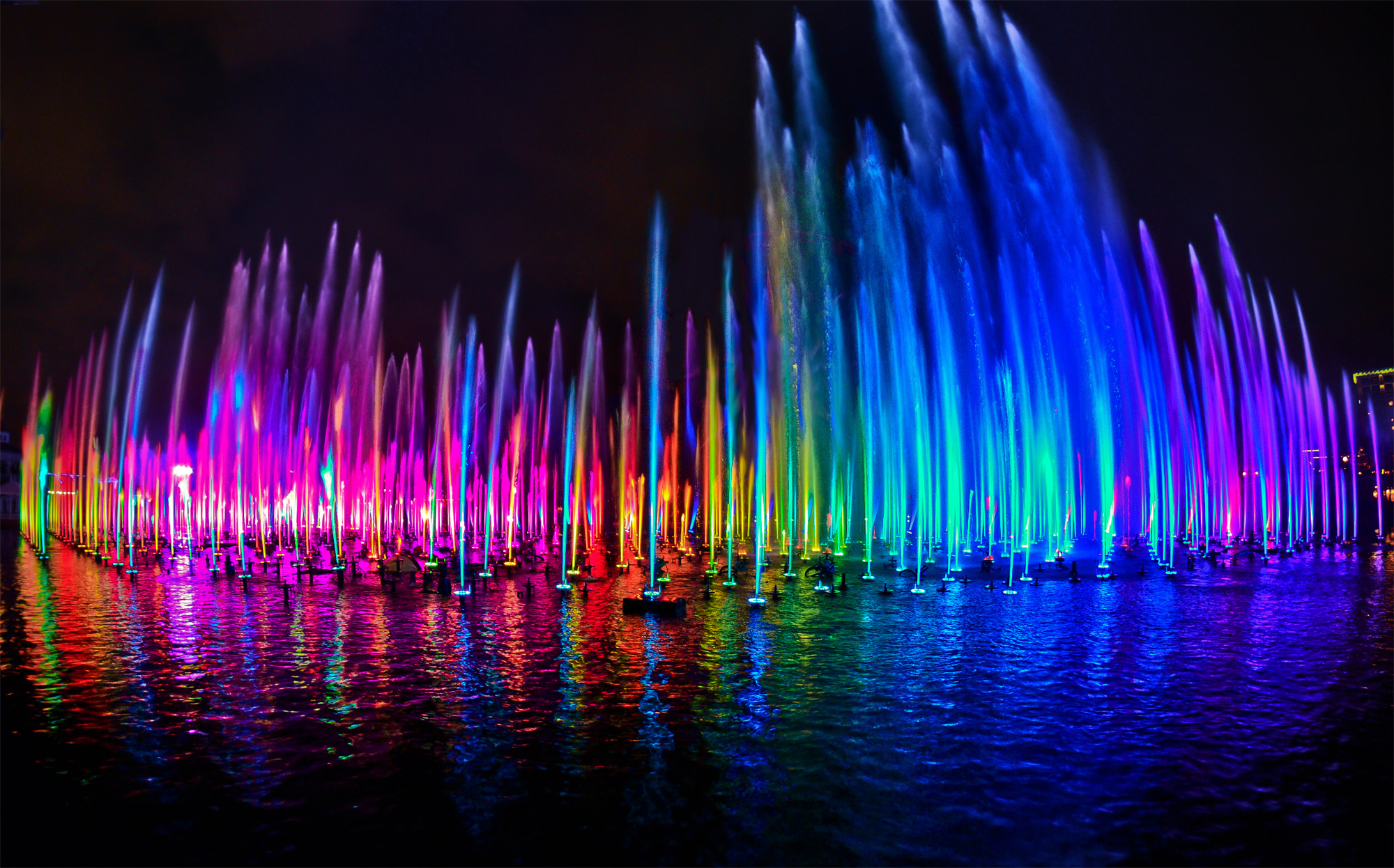
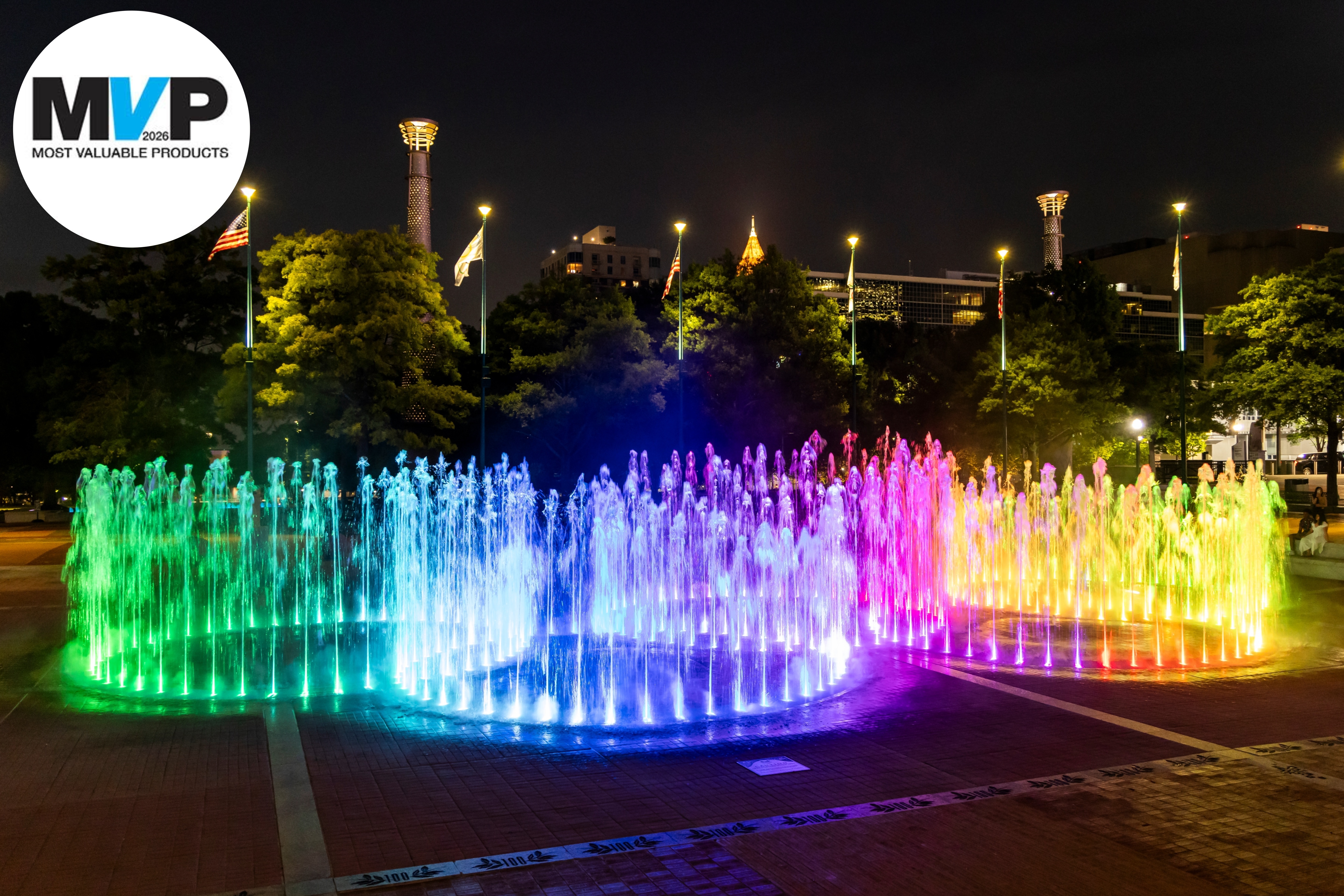
Modern detention basins are no longer just utilitarian spaces. With thoughtful planning, they can serve multiple purposes within a community. Integrating recreational amenities like walking trails, picnic areas, and even water features can transform these utilitarian spaces into beloved public assets. Design and construction must also meet regulatory standards at the federal, state, and local levels. Guidelines related to water quality, floodplain management, and environmental protection ensure that each basin operates effectively and safely. Collaboration between engineers, fountain equipment manufacturers, planners, government agencies, and community members are essential to get it right.

A Sustainable Future Starts Here
Stormwater detention basins are a powerful example of how infrastructure and environmental stewardship can work together. They protect communities from flooding, improve water quality, support wildlife, and even create inviting public spaces.
This Earth Day, they serve as a reminder that sustainable solutions don't always have to be complex. Sometimes, it's about working with nature — slowing water down, giving it space, and allowing natural processes to do what they do best.
As communities continue to invest in smarter water management, detention basins will play an increasingly important role in building resilience, protecting ecosystems, and enhancing quality of life for futures to come.